Why Smart Players Abandon the 20
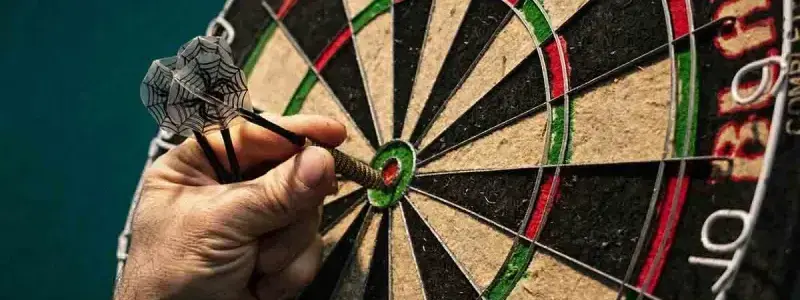
Your first dart lands fat in the treble 20 — and its flight now sits square across the bed you wanted. Watch a seasoned player here: they don't fight for the gap, they drop their aim to the 19.
The 20 may be the board's most popular target, but the 19 is often the smarter one. Here's why the switch makes sense more often than you'd think.
The 20 Punishes Small Misses
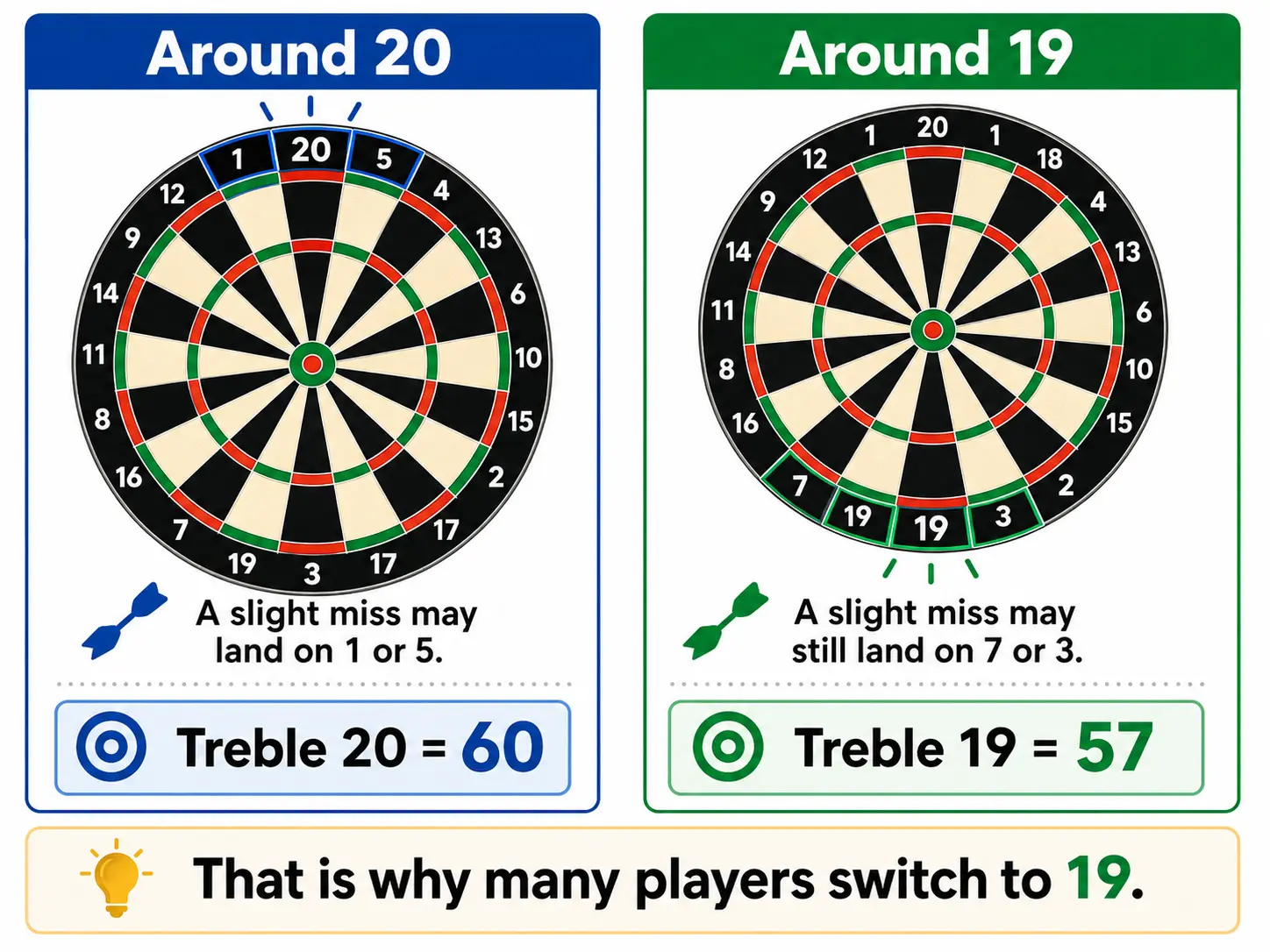
The 20 lives in rough territory, with the 1 on one side and the 5 on the other. Drift slightly either way and a 60-point plan collapses into a single point.
The 19 keeps friendlier company, sitting between the 7 and the 3. A near miss still stings, but it rarely wrecks the whole visit.
Treble 19 Gives Up Almost Nothing
Treble 19 — the narrow band worth three times the number — scores 57. That's only three points shy of treble 20's 60.
Over a full leg, that gap barely registers. The head-to-head numbers get a full breakdown in treble 20 vs treble 19.
The Blocked-Bed Switch
The most common trigger is simple congestion. When a dart lands in or around the treble 20, it can physically block the bed for the darts still in your hand.
Rather than thread a shot past a flight, players swing to the wide-open 19. Fresh bed, nearly identical reward.
Using the 19 to Set Up a Finish
In games like 301 and 501, you're subtracting toward exactly zero and the last dart must land in a double or the inner bull. So good players aren't just scoring — they're steering toward a number they want to finish on.
The 19 is a handy steering tool. Switching to it can dodge an awkward total or set up a preferred double such as double 16, double 18, or double 20.
Experienced players make the call dart by dart, based on the remaining score and where their earlier throws sit. That thinking is the whole art of setup shots.
Accuracy Picks the Spot, Strategy Picks the Target
Both skills matter, and neither wins a leg alone. Accuracy lets you hit the section you chose; strategy makes sure it was the right section.
Before each dart, weigh your score, your possible finishes, any blocked beds, and what a miss would cost. The highest-scoring target isn't always the best one.
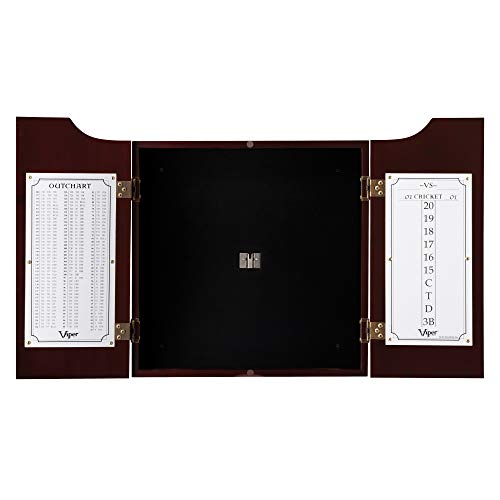
- Solid pine construction with box joints and bronze hinges is built to last
- Main compartment fits all official tournament-sized bristle dartboards
- Dry erase scoreboard and out-chart on the doors keep scoring close at hand
Quick Answers
What's the bullseye worth?
The outer bull scores 25 and the smaller inner bullseye scores 50. The inner bull also counts as a double, so it can legally finish a leg in double-out games.
What's a good three-dart average?
Beginners tend to average 30–40 points per turn, casual players 50–60, strong league players 60–80, and top professionals close to or above 100. Consistency counts for more than one huge visit — there's a fuller picture in what makes a good darts average.
Can a game end in a tie?
A single leg can't — players keep throwing until someone reaches zero with a legal finish. A match played over a fixed number of legs can end level, though knockout events add extra legs until one player wins.
Next time a flight blocks your treble 20, don't squint around it — the 19 is wide open and only three points cheaper.