Steel Tip Boards: Why Pros Refuse the Rest
Regulars at the pub tap the battered board behind the bar and say, "Same board the pros throw at." That's the quiet appeal of a steel tip dartboard — it's the real thing.
What a Steel Tip Dartboard Is
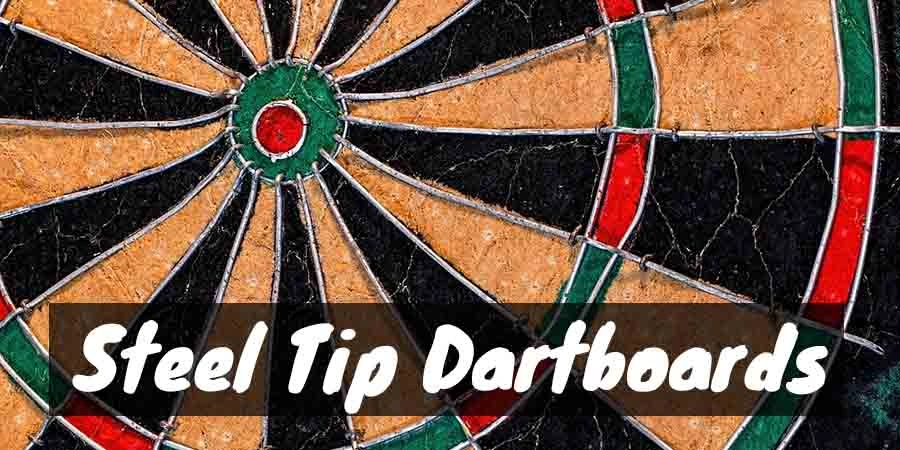
A steel tip dartboard — also called a bristle dartboard — is the traditional board used in professional darts, including international events like the PDC World Championship. It's built from sisal or hemp fibers packed densely together into a surface that's sturdy but slightly pliable.
The darts that go with it carry sharp steel tips made to penetrate those fibers. The face uses the classic layout: 20 numbered radial sections, a double and treble ring, and the bullseye.
Why Sisal Fibers Are the Secret
When a steel tip lands, the packed fibers part around the point instead of tearing. Pull the dart out and the fibers close back up, essentially healing the hole.
That self-healing is why serious players trust these boards. They survive countless games while keeping a consistent surface, so the board plays the same way month after month.
Steel Tip vs. Electronic and Magnetic Boards
If you're choosing between board types, here's what the steel tip option gets you:
- Authenticity: it's the standard for professional play worldwide, so you train on the same equipment the pros use.
- Durability: dense sisal outlasts casual-grade alternatives and keeps performing consistently.
- Skill development: steel tip darts demand real precision and force, which sharpens your throw faster than lighter soft-tip or magnetic darts.
- Looks: a bristle board gives a room that classic pub feel electronic boards can't match.
- No power needed: there's nothing to plug in and no batteries to die, so the board works anywhere.
The trade-offs run the other way too — automatic scoring, for one. See the full comparison of bristle vs. cork vs. electronic dartboards before you commit.
How to Pick a Good One
Every regulation board shares the same layout, so quality comes down to construction. Densely packed sisal is the marker that matters most — it's what delivers the durability and self-healing the format is known for.

- Tournament-spec construction delivers consistent, match-ready performance for players of all skill levels
- Self-healing sisal and a repositionable number ring help extend the board's playing life
- Ultra-thin wiring reduces bounce-outs so more darts land cleanly in the scoring area
Match the board to how you'll actually play, too. Our guide to the best dartboards for home breaks down which boards suit practice dens, family rooms, and league training.
Setup and Safety
Steel tips are genuinely sharp, so set the board up with that in mind. Give the throwing area clearance from foot traffic, and protect the wall and floor around the board from strays.
Hang it securely at regulation height with a proper throwing distance marked out. A stable mount matters — a wobbling board adds bounce-outs you didn't earn.
Keeping It Playing Well
Sisal heals itself, but it still wears fastest around the 20 if you never move the numbers. Rotating the board spreads the damage evenly — here's how often to rotate a dartboard.
Keep your dart points in decent shape as well, since ragged tips chew fibers instead of parting them.
Buy dense sisal once, rotate it on schedule, and the board will still be taking hits years from now.