Soft-Tip Darts: Why the Pros Are Switching
You show up to your first soft-tip league night with your trusty steel-tip darts, and the board rejects them before your opponent says a word. Soft-tip is its own game — plastic points, electronic boards, its own leagues and weight rules — and knowing the gear before match night is the difference between competing and improvising.
What Sets Soft-Tip Darts Apart
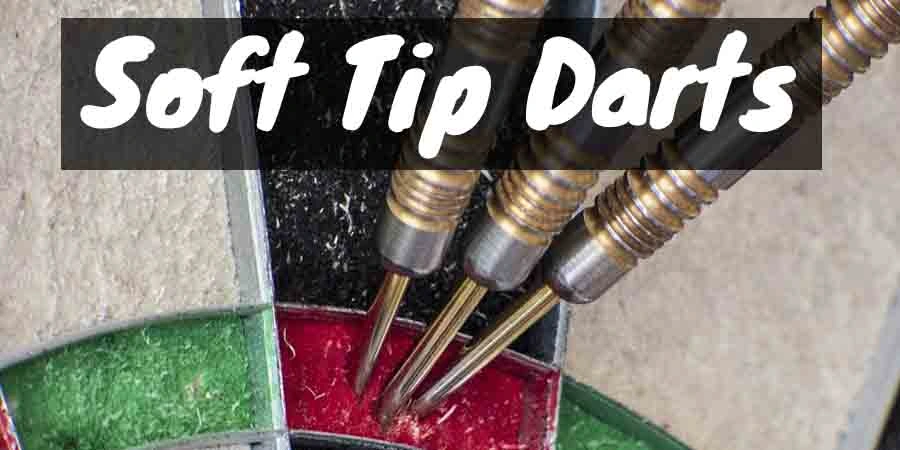
A soft-tip dart swaps the sharpened steel point for a flexible plastic one. The barrel, shaft, and flight work exactly like a steel-tip dart's — only the point and the typical weight change.
Those plastic tips screw into the barrel on a standard thread, almost always the size called 2BA. That standardization means tips from any brand fit almost any soft-tip barrel.
Built for Electronic Boards
The plastic point is shaped to land in the holes of an electronic dartboard's sensor segments. When it does, the board scores the throw instantly — no chalk, no math, no disputes.
That pairing is the whole point of the format. If you're choosing a board to go with your darts, our guide to electronic dartboards covers what to look for.
League and Tournament Play
Soft-tip is not just a casual format — it has organized leagues, sanctioned tournaments, and real prize money. Bar leagues run on commercial-grade electronic boards, and Bluetooth home boards now host online leagues where you play live opponents remotely.
The rule that surprises newcomers is the weight limit. Most soft-tip leagues cap darts at 18 or 20 grams, so check your league's spec before you buy a set you can't use in competition.

- 21 matched 17-gram darts keep group play going through worn tips and lost darts
- Knurled nickel-silver barrels with precision rings give a secure, consistent grip
- Twist-top storage jar keeps the whole set organized at home or on the road
Serious soft-tip players build their setup around that cap. Our look at what soft-tip darts professionals use shows how the top players stay under it.
Why Players Choose Soft-Tip
Safety is the big one. A flexible plastic point won't punch into drywall, furniture, or a passing kid, which makes soft-tip the default for homes and family venues.
Automatic scoring is the other. With the board keeping count, every throw and every argument-free game stays focused on the darts.
There's a practical bonus too: mistakes are cheap. Tips bend and snap with normal play, but replacements cost pennies and swap in seconds.
Choosing Your Set
Soft-tip darts typically run 14 to 20 grams, lighter than most steel-tip sets. Lighter darts reward a smooth, controlled release, which is part of why the format is friendly to new players.
Start in the 16–18 gram range if you're unsure — it's comfortable to throw and legal in virtually every league. For specific recommendations by budget and skill level, see our roundup of the best soft-tip darts.
Buy a tub of spare 2BA tips with your set. You'll go through them, and running out mid-match is an unforced error.
Keeping Them Match-Ready
Replace tips as soon as they bend — a warped point causes bounce-outs the sensor never registers. Check that shafts and flights are seated tight before you play.
Store your darts in a case between sessions. Tips stay straight, flights stay crisp, and your gear is always weigh-in ready.
Check your league's weight cap, buy under it, and bring spare tips to every match.