
How to Grip a Dart (Without Strangling It)
You line up the throw, and somewhere between stance and release your knuckles go white around the barrel. That squeeze is the first habit to unlearn — a good dart grip feels more like holding a pencil.
Grip is where every throw starts, and it's the easiest thing to get quietly wrong. Here's how to build one that holds up.
Know What You're Holding
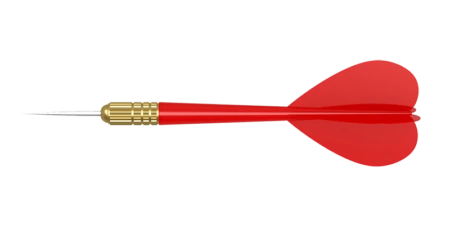
A dart has three main parts:
- The tip — steel or soft
- The barrel — the section you actually grip
- The flight — the feathered end that keeps the dart balanced and on line
Understanding how each part affects the dart's trajectory makes it easier to adjust your grip and throw. The barrel is your main focus, since that's where your fingers do their work — and where different barrel shapes come into play.
Start With the Pencil Grip
Hold the dart the way you'd hold a pencil. Comfort is the test — every hand is different, so your grip won't look exactly like anyone else's.
Firm yet relaxed is the target: enough pressure to keep the dart steady, never enough to strain your fingers. If your knuckles ache, you're squeezing, not gripping.
Where Your Fingers Go
Use at least three fingers — typically the thumb, index, and middle. The thumb supports the dart from the back while the index and middle fingers guide its direction.
From there, adjust the placement until it feels natural. Comfort beats copying, though it's worth a look at the common grip styles before you settle on yours.

- Front-weighted barrels support a comfortable and controlled three-point grip
- Deep grooves and triple-milled surfaces provide a secure grip for more consistent throws
- The included storage box keeps up to 12 darts and spare parts organized and protected
Lock It In
Once a grip feels good and gives you control over the dart's flight, stick with it. Consistency builds muscle memory, and muscle memory is the real secret behind accuracy and precision.
A grip you can repeat beats a "perfect" grip you can't. It also sets up a clean release, throw after throw.
Make It Automatic
Practice the grip itself, regularly. Even a few minutes a day adds up to noticeable improvement over time.
The more you practice, the more natural the grip becomes — and the better your throws get. Every master was once a beginner who kept showing up.
Watch It Done
Pick up a dart tonight, find the hold that feels like a pencil, and throw fifty darts without changing a thing.