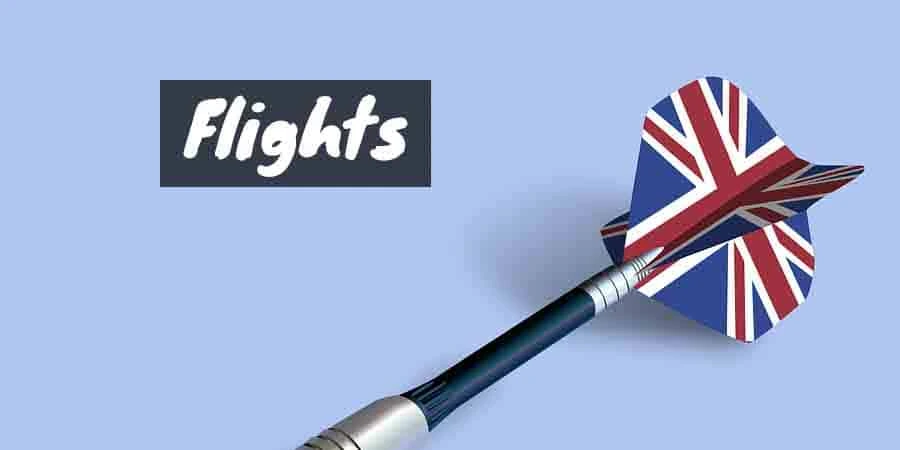
Dart Flights: Tiny Plastic, Huge Difference
The dart leaves your hand clean, then fishtails halfway to the board and smacks in almost sideways. Before you blame your throw, look at the back end of that dart — the little set of wings there does more work than most players realize.
Those wings are the dart flight. It's a small piece of plastic with a serious job: keeping your dart steady in the air so it lands where you aimed.
What a Dart Flight Actually Does
A flight works like the fins on an arrow. It adds air resistance at the back of the dart, which keeps the point facing forward and stops the barrel from tumbling.
Throw a dart without a flight and you'll see the difference fast. The dart spins out of control and lands nowhere near your target.
That's the basic trade every flight makes. The shape and size you pick decide how much stability you get and how much speed you give up.
The Main Flight Shapes
Flights come in plenty of shapes, and each one changes how the dart moves through the air. Three shapes cover most players.
Standard flights are the big, familiar ones. Their large surface gives you the most stability, which is why they're the most common choice.
Slim flights have less surface area, so the dart cuts through the air faster. They suit hard throwers and soft-tip darts especially well.
Kite flights are more compact than standards. They trade a little surface area for a faster flight speed, landing between the other two shapes.
Size Changes the Whole Throw
The bigger the flight, the more stable the dart — but all that surface also slows it down. Smaller flights let the dart move quicker, though you lose some of that steadiness.
There's no single right answer here. It comes down to how you throw and what feels controllable at the line.
Smooth or Textured?
Flights also differ in surface finish. Textured flights create more drag, which slows the dart slightly but can offer more control.
Smooth flights are the faster option. The trade-off is a bit less stability on the way to the board.
Materials and Durability
Most flights are made from plastic or similar synthetic materials. Harder materials hold their shape and add stability, but they can be less durable.
Softer materials flex and absorb some of the impact when darts land close together. That give often helps them last longer.
And the designs? Colors, patterns, and team logos are pure style — they don't change how the flight performs, so pick whatever you enjoy looking at.
How to Choose Your Flight
Start with your throw. If you throw hard or play with soft-tip darts, a slim flight is usually the better fit.
If you'd rather have maximum control and a steady, forgiving flight path, go standard. For a deeper walkthrough of matching shape and size to your style, see how to choose dart flights.
The flight also works as a team with the dart shaft behind it. Treat the two as one setup rather than separate parts.
When to Replace Flights
Flights take a beating — darts landing close together crease and tear them. Once a flight looks worn, frayed, or bent, replace it, because a damaged flight will wobble no matter how well you throw.
How often depends on how much you play. Regular players often need fresh flights every few weeks, so it's smart to keep spares in your case.

- 120 flights in 40 designs keep backups on hand for every session
- Thick polyester construction bends less and outlasts standard flights
- Fits steel tip and soft tip darts with any standard shaft
New darts deserve fresh flights too. When you're swapping parts, tips, shafts, and flights are all quick changes that bring an older set back to life.
Check your flights before your next game — a fresh set is the cheapest accuracy upgrade in darts.